
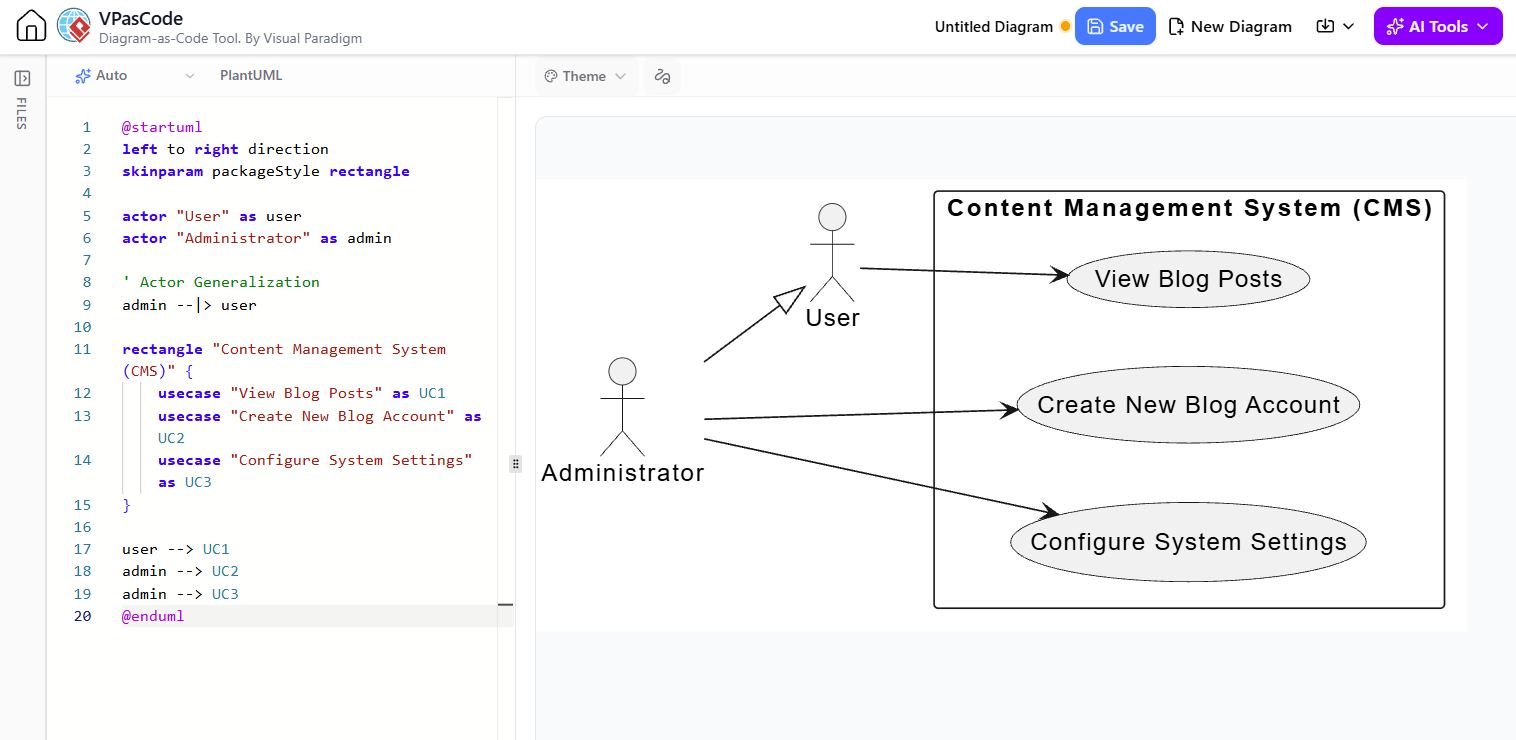
Use Case AI for Agile Teams: Mastering Conversational UML Modeling
Discover how AI-assisted conversational modeling transforms UML Use Case Diagrams, helping agile teams bridge requirements and implementation with natural language prompts.
Discover how AI-assisted conversational modeling transforms UML Use Case Diagrams, helping agile teams bridge requirements and implementation with natural language prompts.
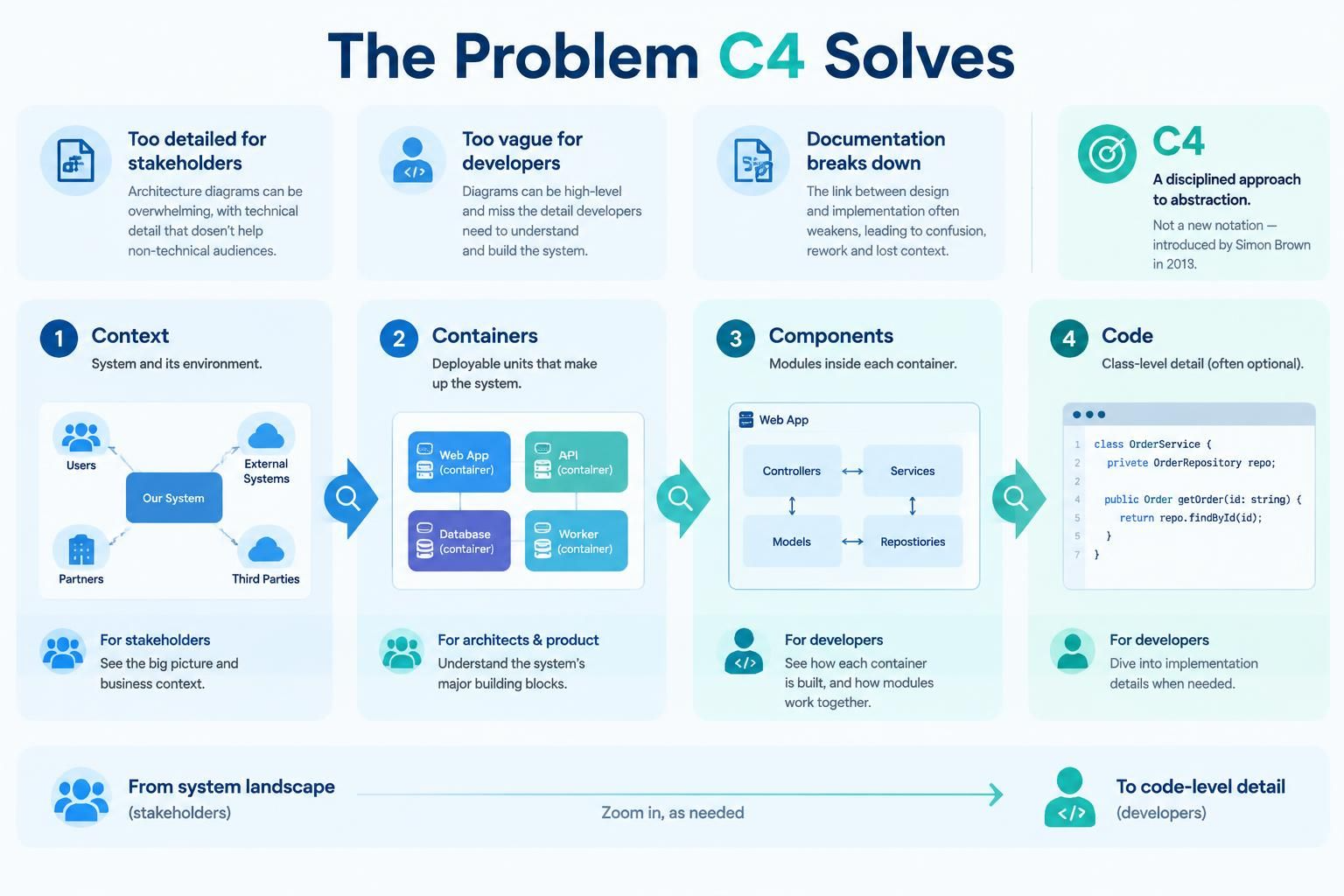
Master the C4 Model with Visual Paradigm's AI to generate accurate system architecture diagrams from simple text descriptions and avoid common documentation traps.
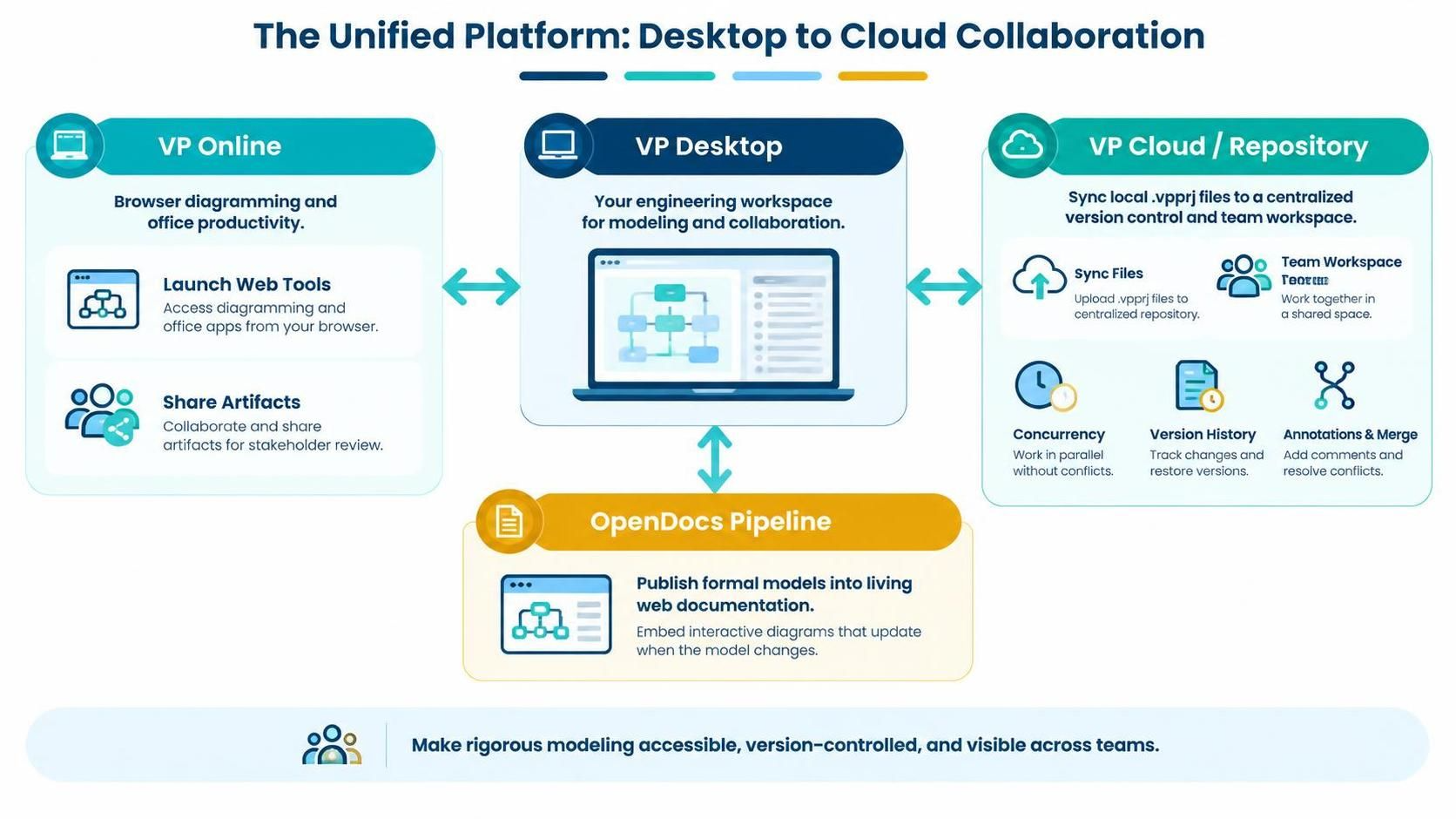
Discover how Visual Paradigm's Unified Platform connects VP Desktop with cloud repositories to streamline complex modeling, embedded AI, and seamless team collaboration.
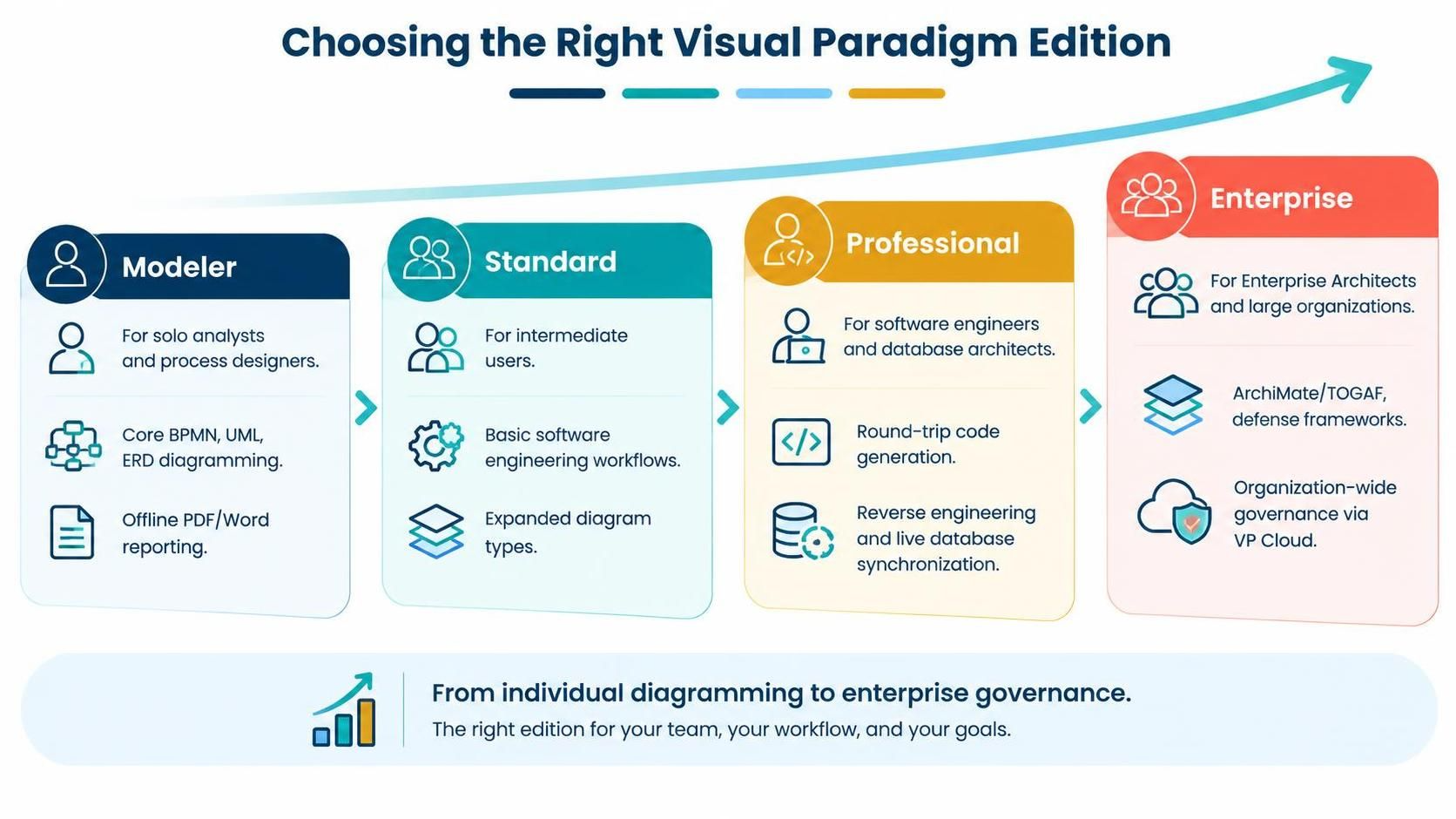
Discover how Visual Paradigm Desktop scales from solo Modeler to Enterprise Architect, mastering BPMN, UML, and ERD for unified system design.
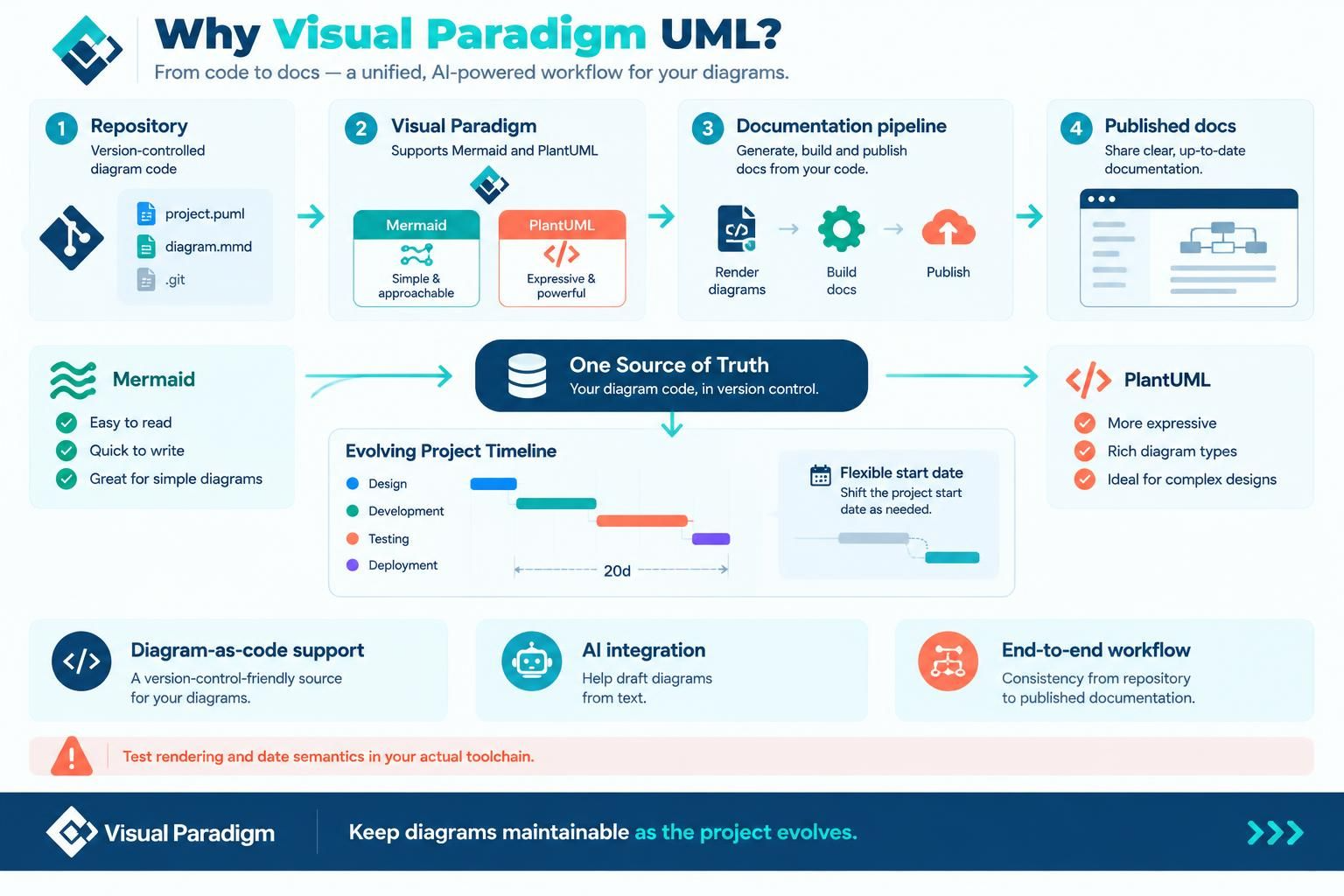
Learn to build maintainable Gantt charts with Visual Paradigm UML using AI-powered Diagram-as-Code workflows and PlantUML for a single source of truth.
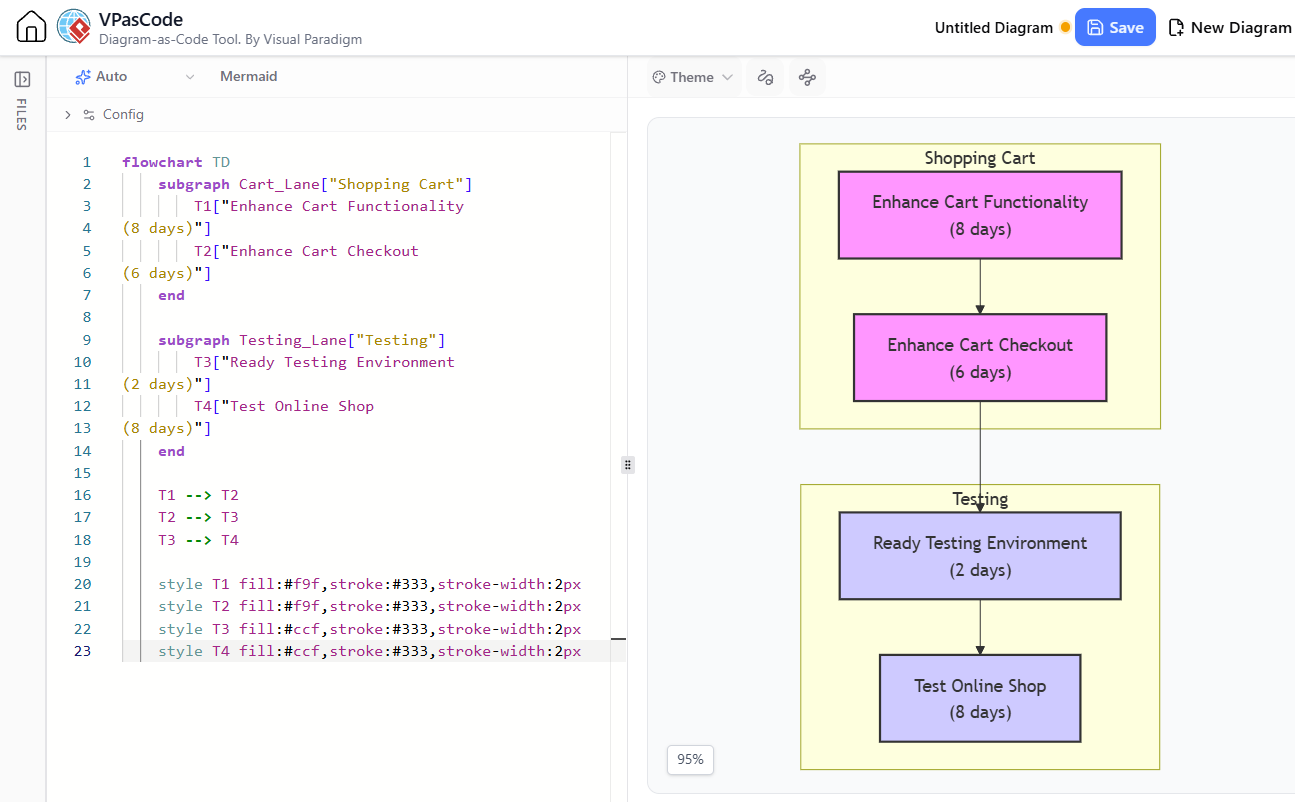
Master Mermaid.js flowcharts for project management with VPasCode to create living, version-controlled diagrams that streamline your online shop development workflow.
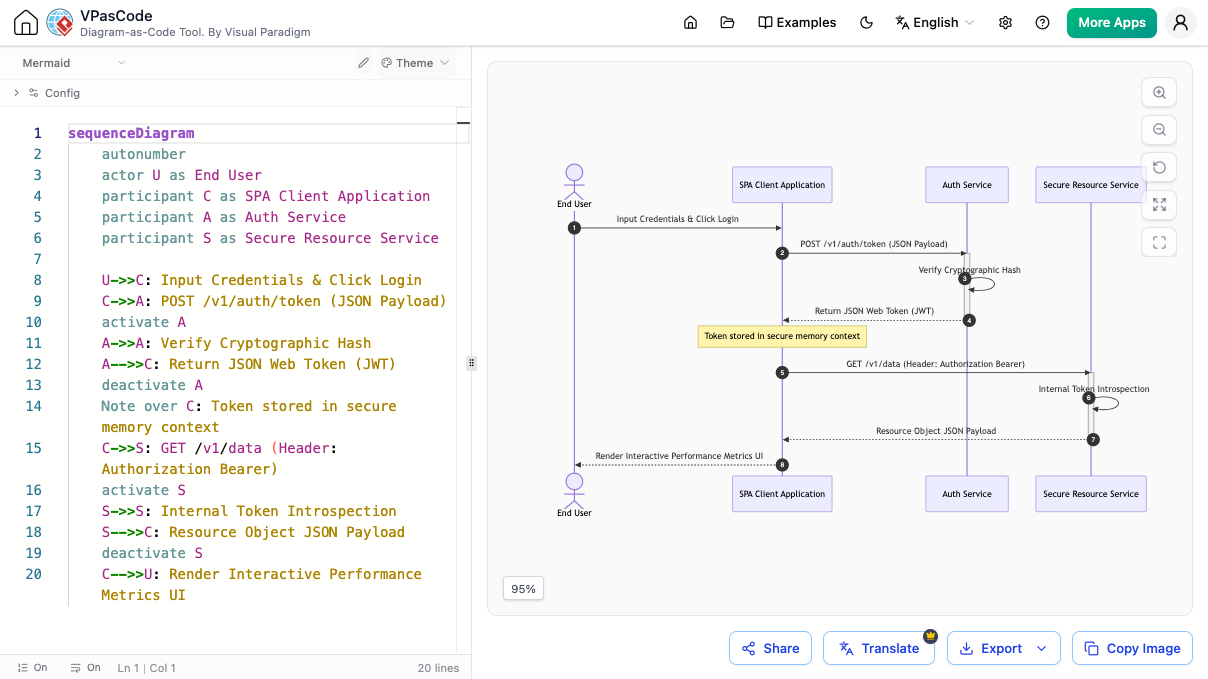
Master secure authentication flows with Sequence Diagrams using VPasCode and Mermaid syntax. Learn to model user, client, and server interactions for robust UML-based system architecture.
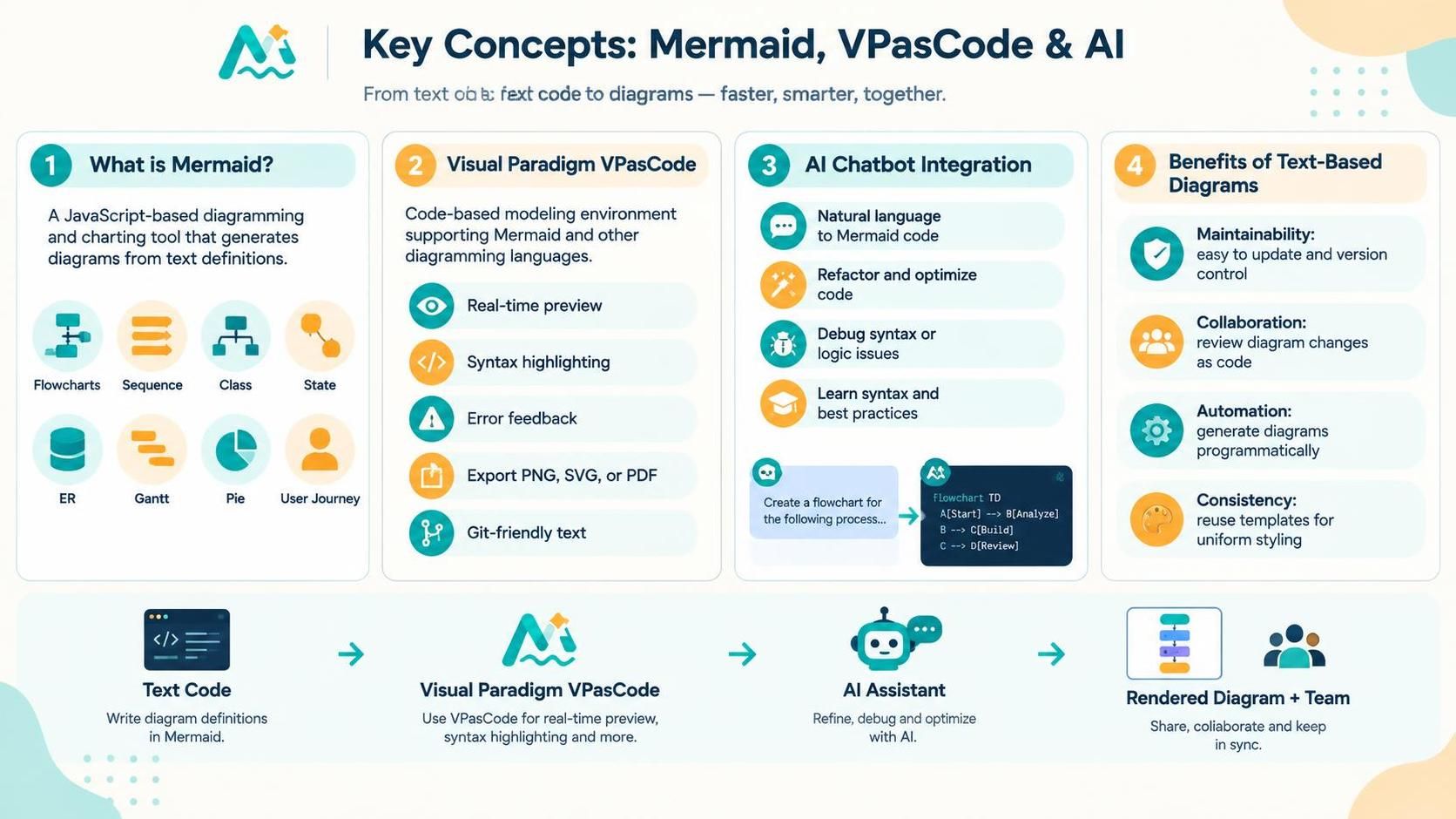
Master text-based modeling with Mermaid and Visual Paradigm VPasCode. Learn to streamline diagram generation and debugging using AI integration for modern software architecture.
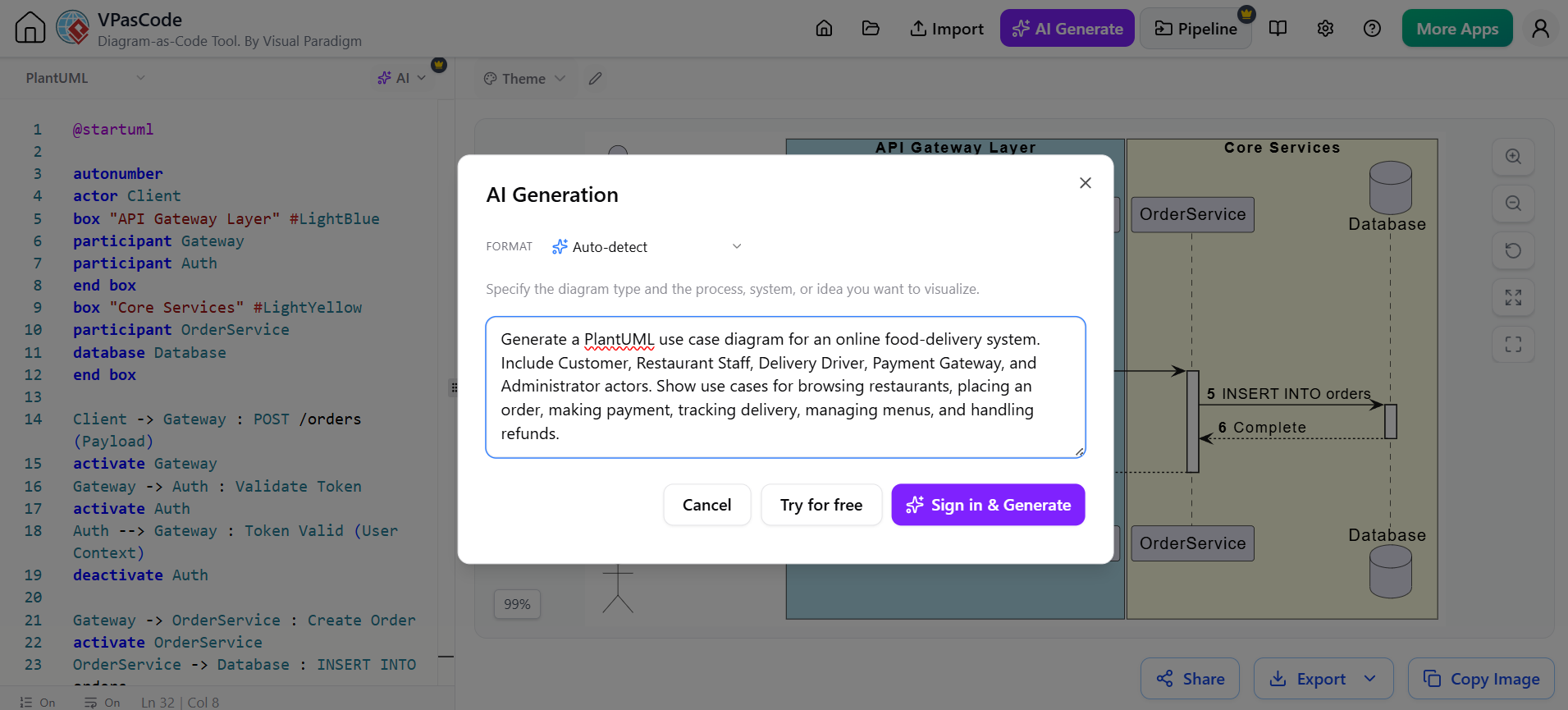
Accelerate system design by leveraging AI to generate complex PlantUML models from natural language prompts in VPasCode. Learn how to transform textual ideas into visual architecture diagrams instantly without manual coding.
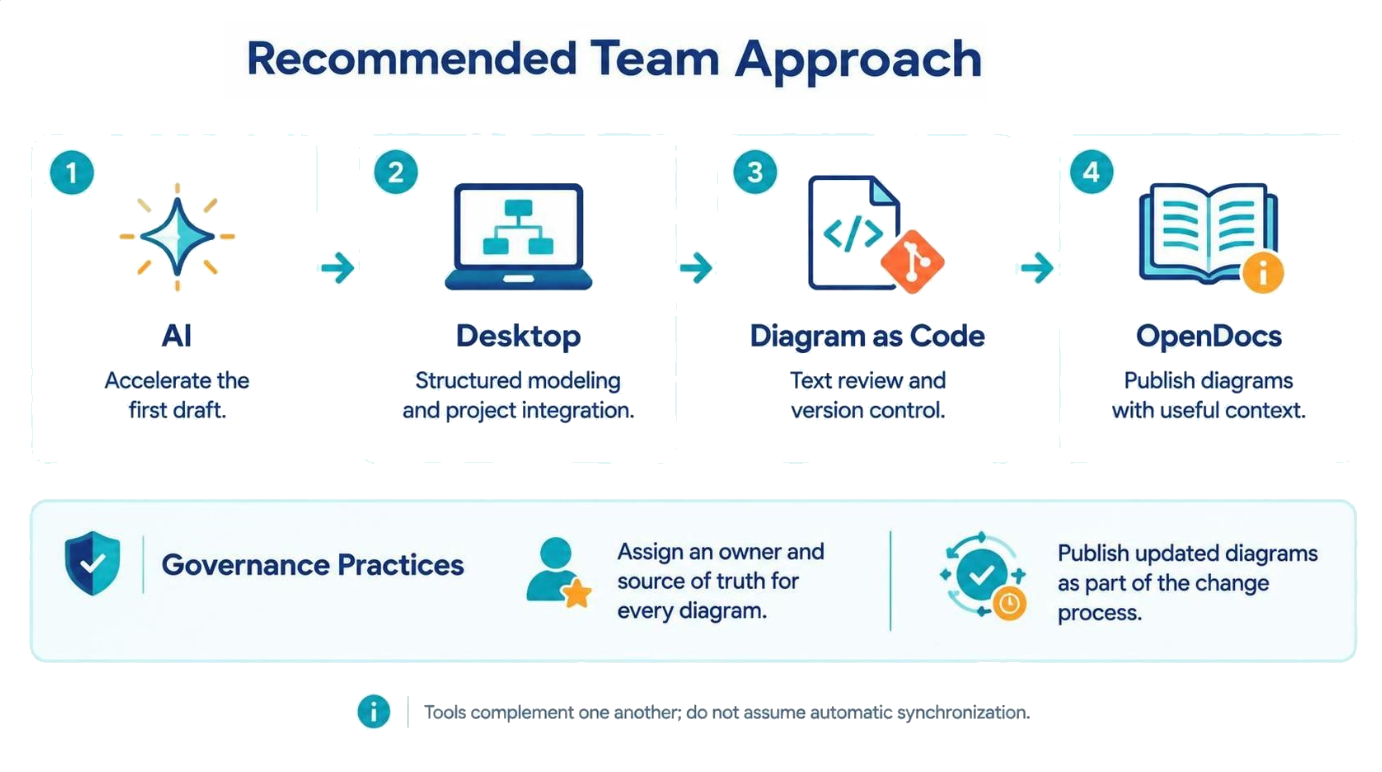
Learn how to bridge the gap from idea to documentation using Visual Paradigm Desktop, AI acceleration, and OpenDoc for a synchronized, team-based architecture workflow.
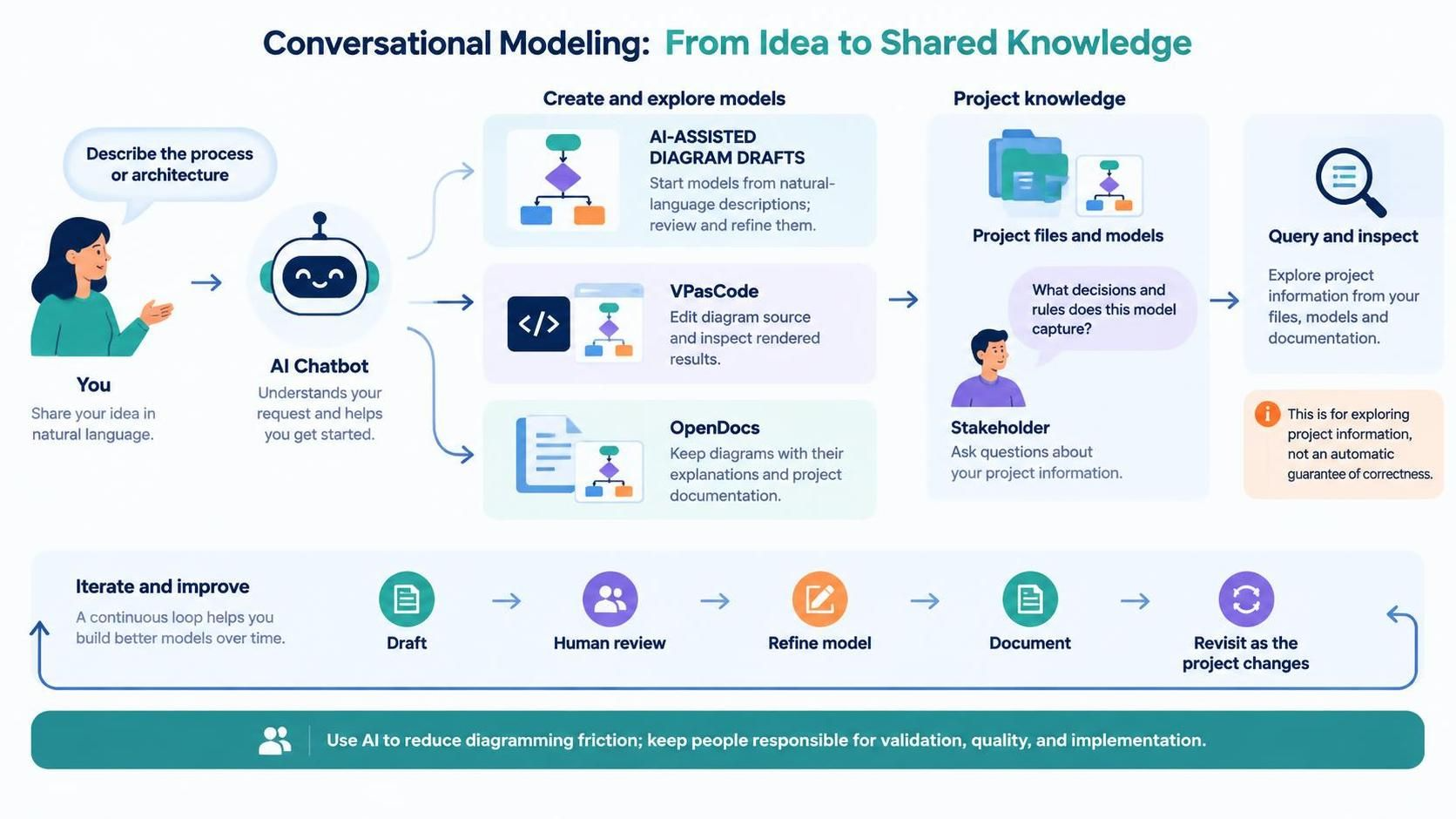
Discover how Visual Paradigm's AI Chatbot ecosystem transforms software engineering from manual drafting to an interactive workflow using AI-assisted diagrams and VPA Code.
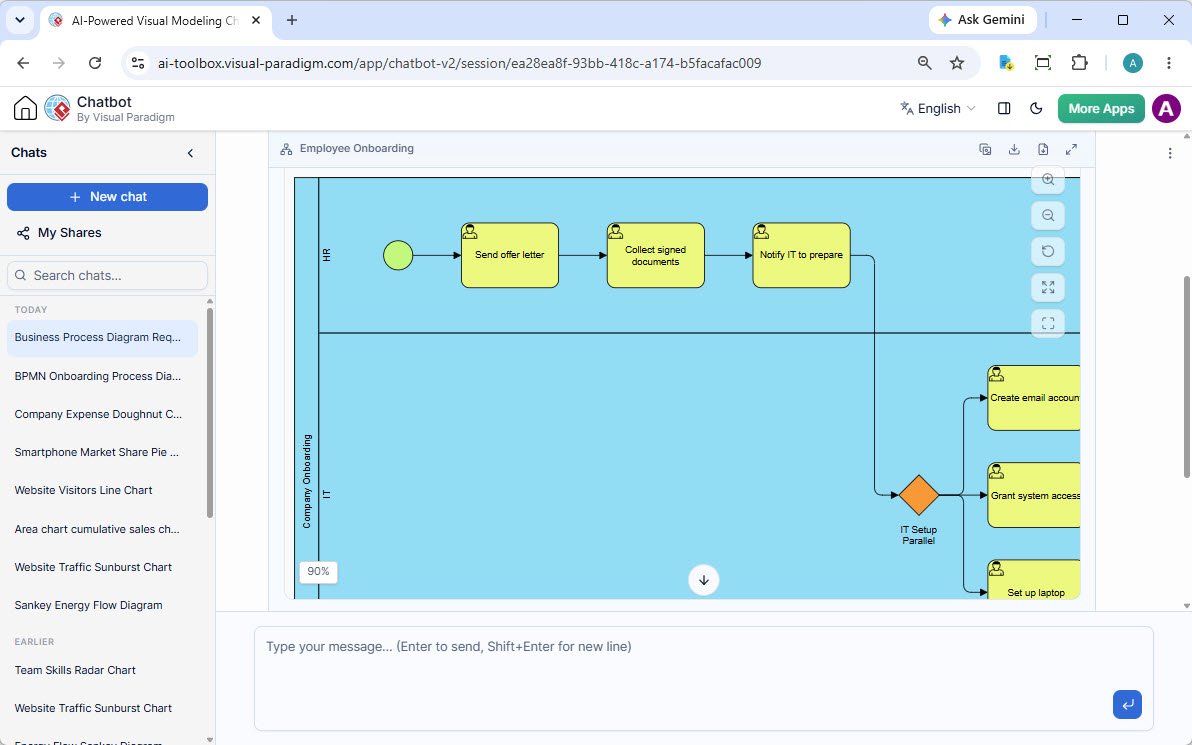
Learn to optimize Employee Onboarding workflows by transforming sequential hand-offs into parallel execution using BPMN swimlanes and Visual Paradigm.
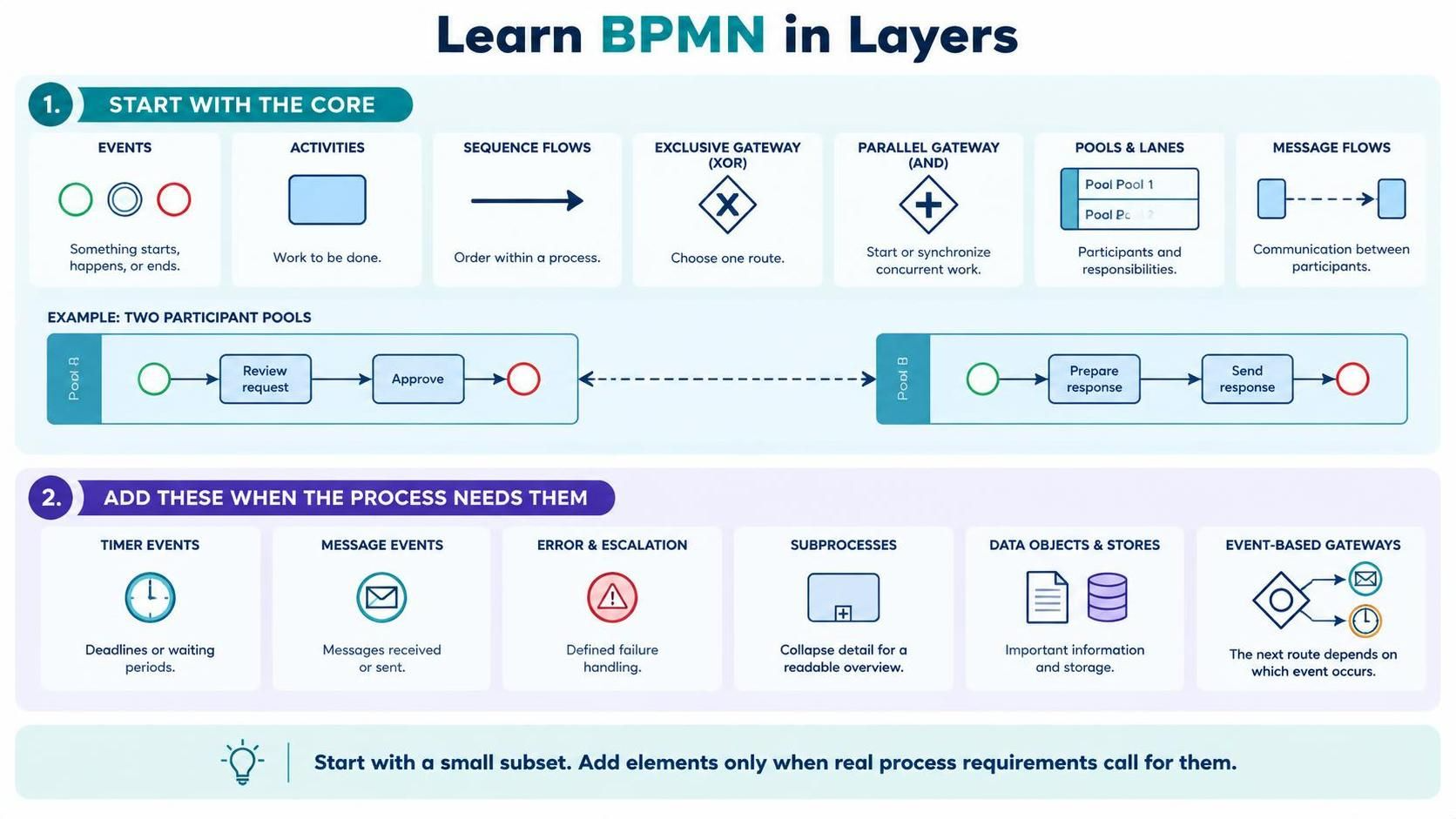
Master BPMN with a strategic layered approach. Learn the core events and activities to build clear diagrams without getting overwhelmed by syntax.
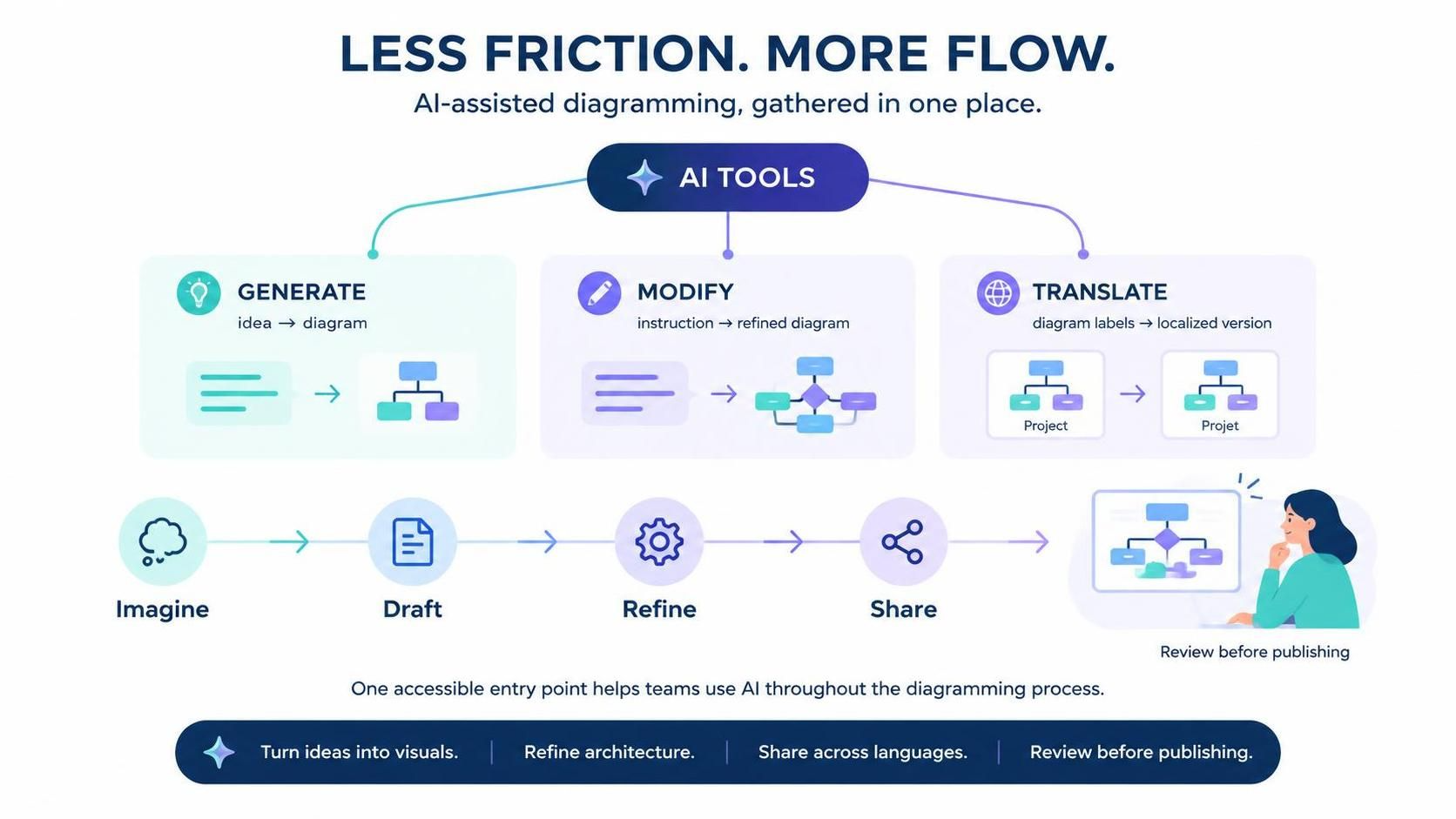
Discover how VPasCode's AI Tools transform diagramming by converting natural language into visual models using its unified Generate, Modify, and Translate workflow.
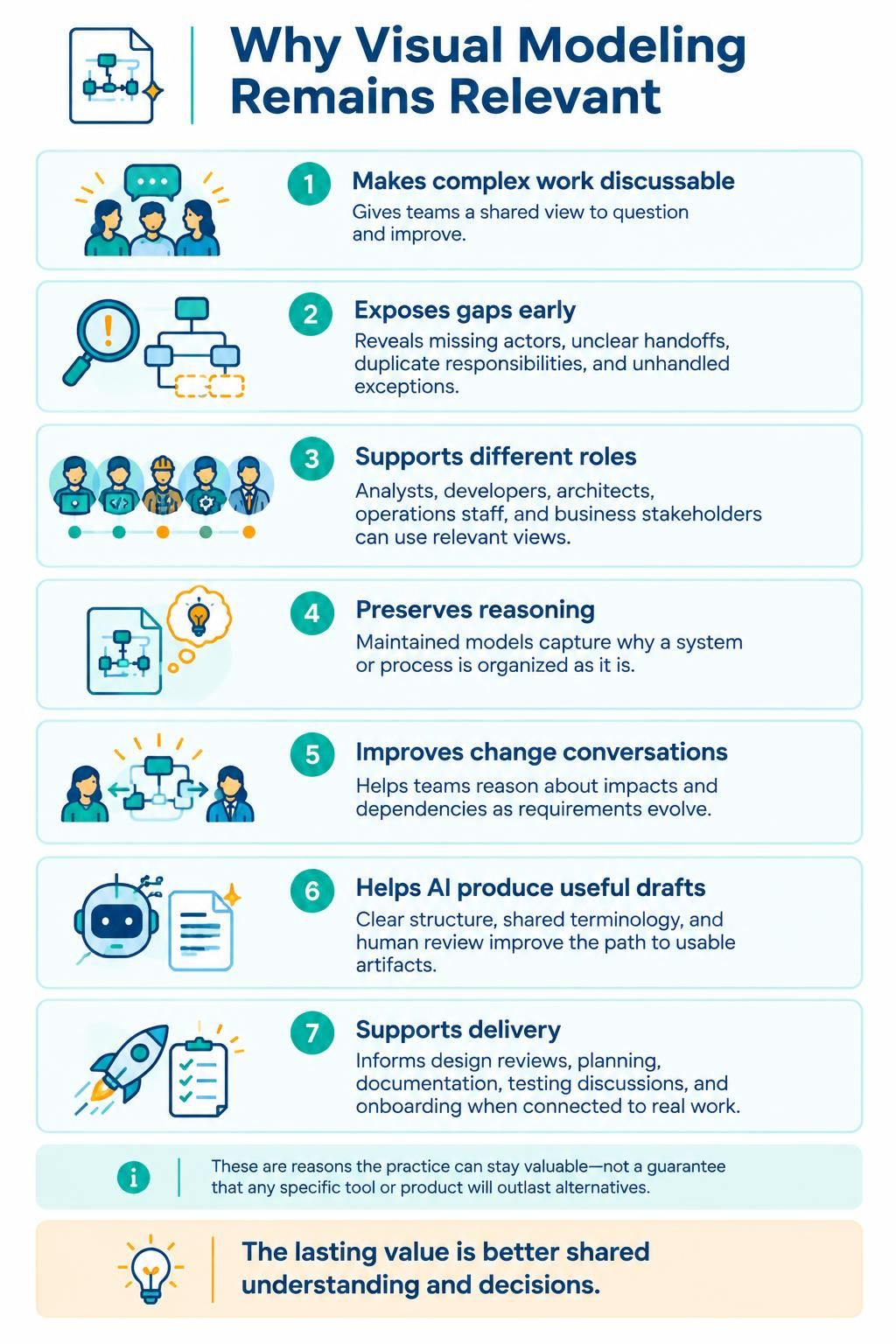
Discover why visual modeling remains essential for system architecture. Learn how Visual Paradigm helps teams structure complex thoughts, expose gaps early, and drive better decisions.
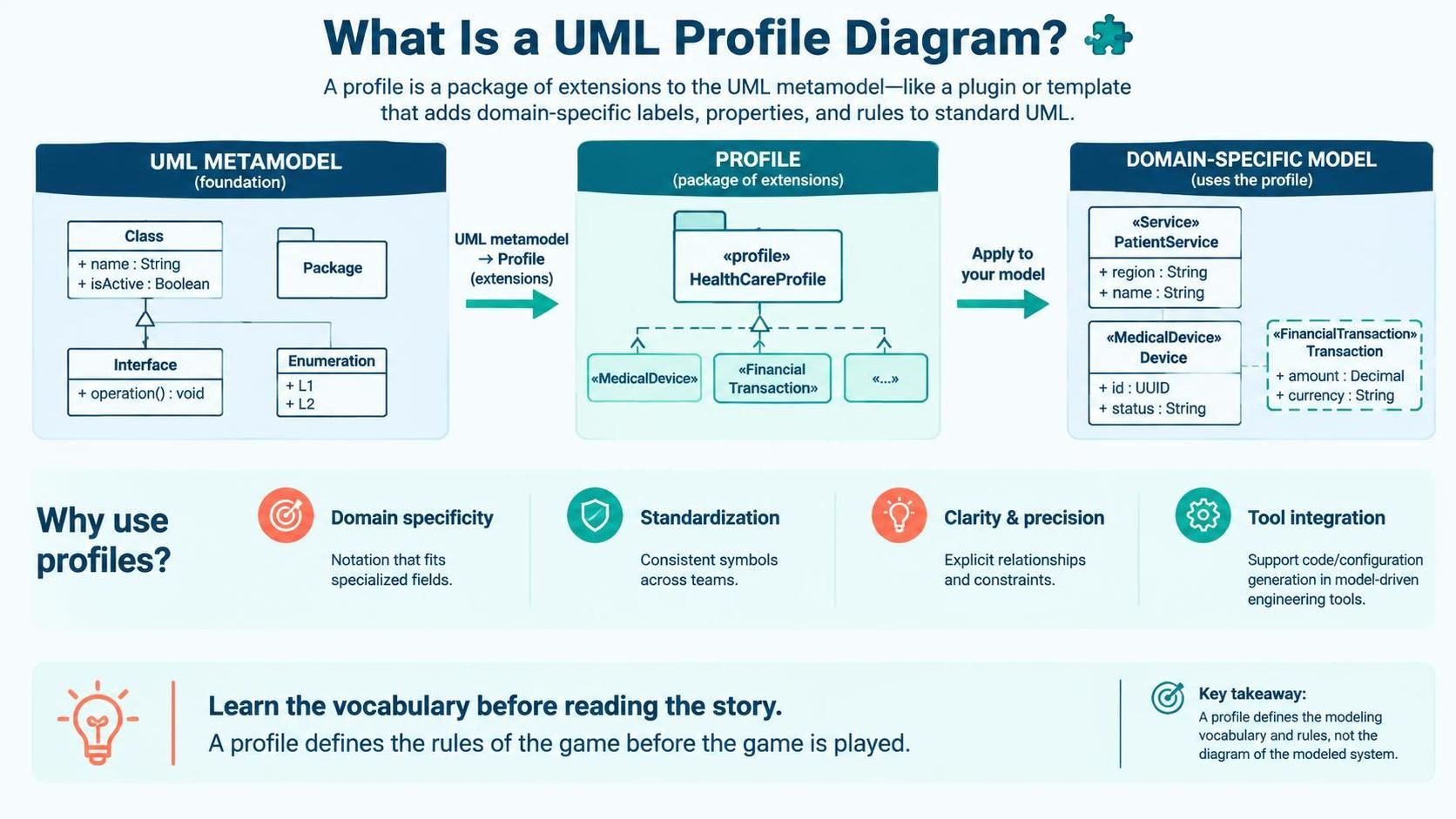
Learn how UML Profile Diagrams extend the metamodel to create domain-specific vocabularies, ensuring precision in modeling unique industry concepts like Medical Devices or Financial Transactions.
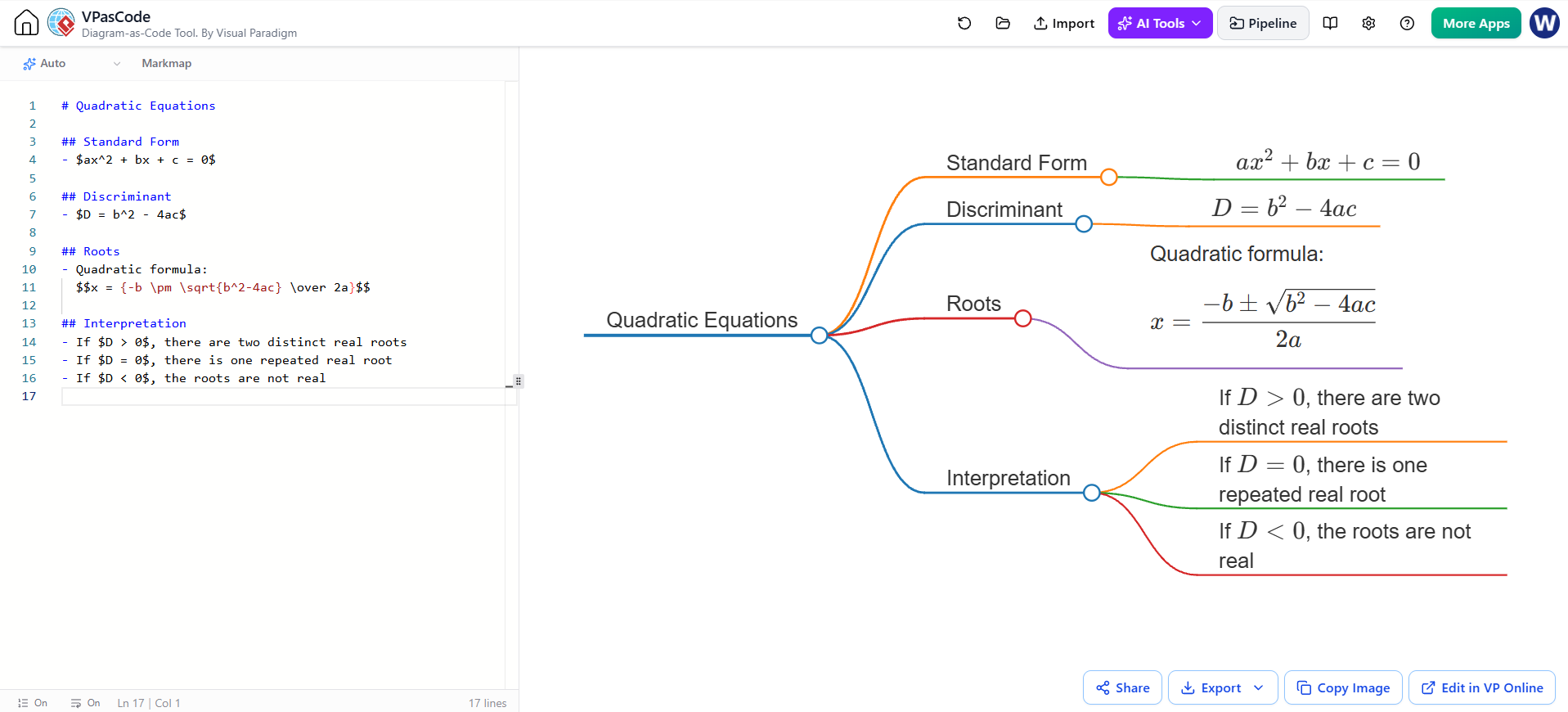
Learn to convert mathematical theory into visual mind maps using VPasCode. Master Markdown syntax and mathematical rendering to automate diagram creation from structured text.
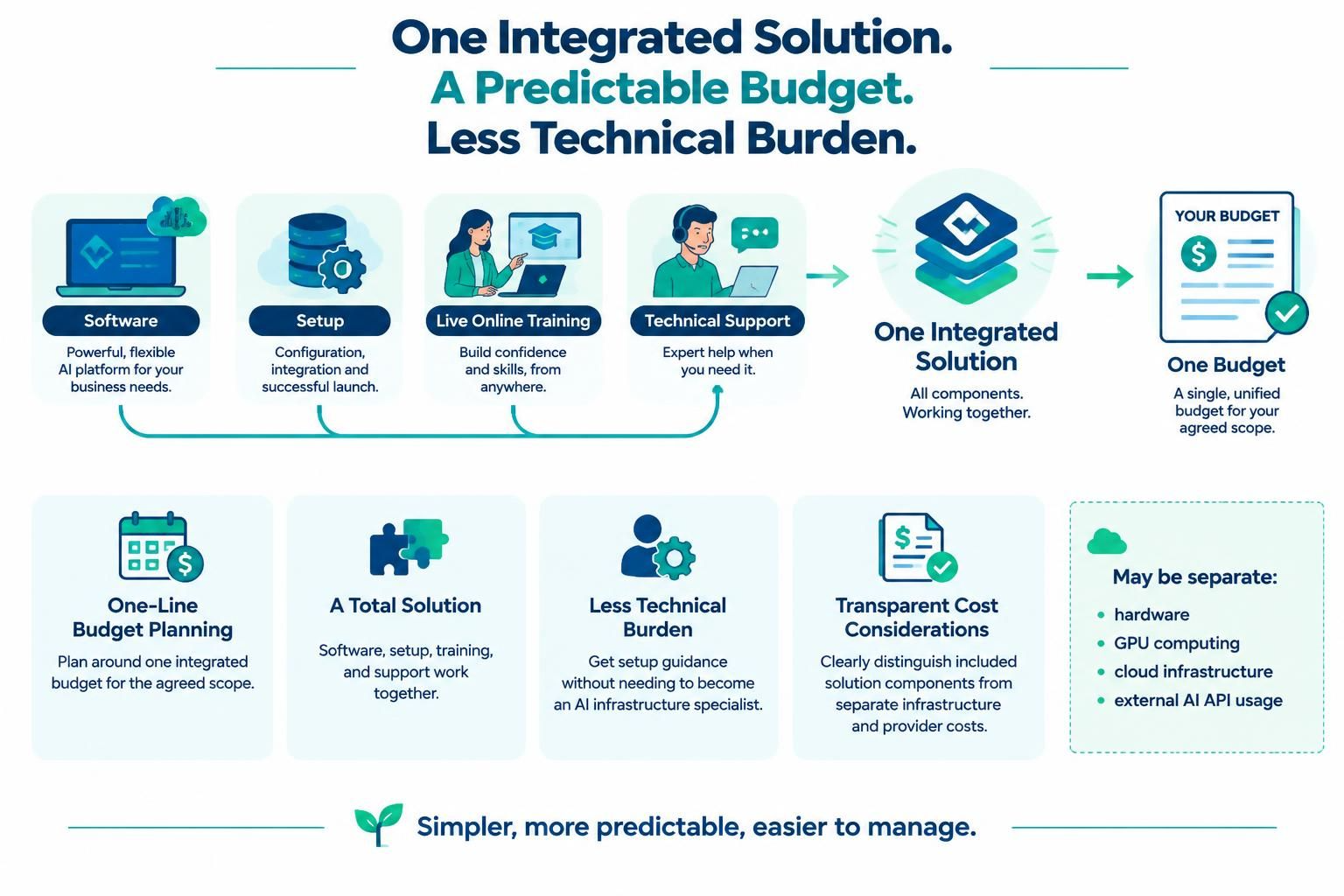
Discover how Visual Paradigm's AI framework unifies software, configuration, and support into a single solution to streamline architecture, simplify budgeting, and accelerate enterprise AI adoption.
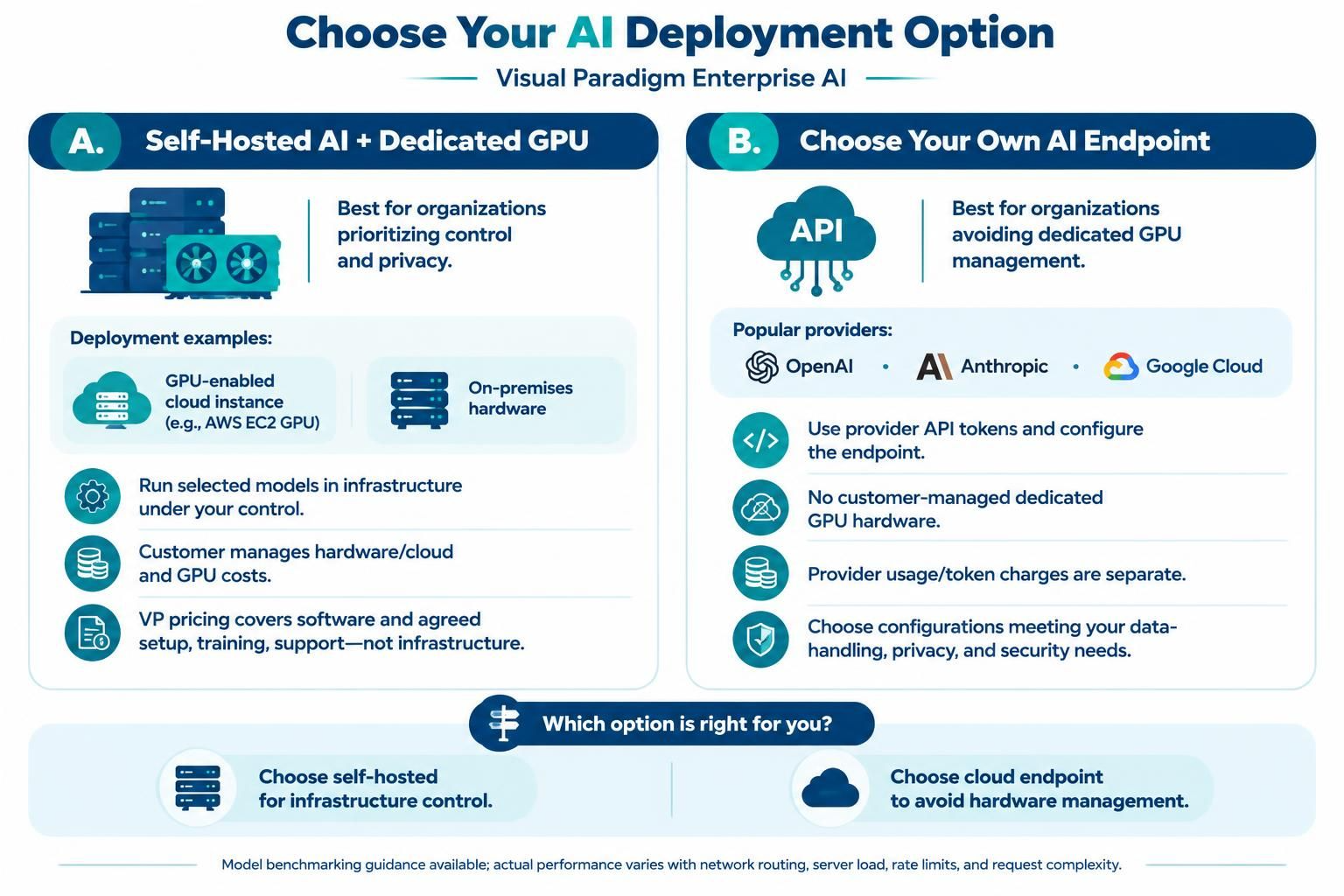
Learn how Visual Paradigm's modular AI architecture supports Self-Hosted AI and Choose Your Own AI Endpoint strategies to balance infrastructure control with operational agility.
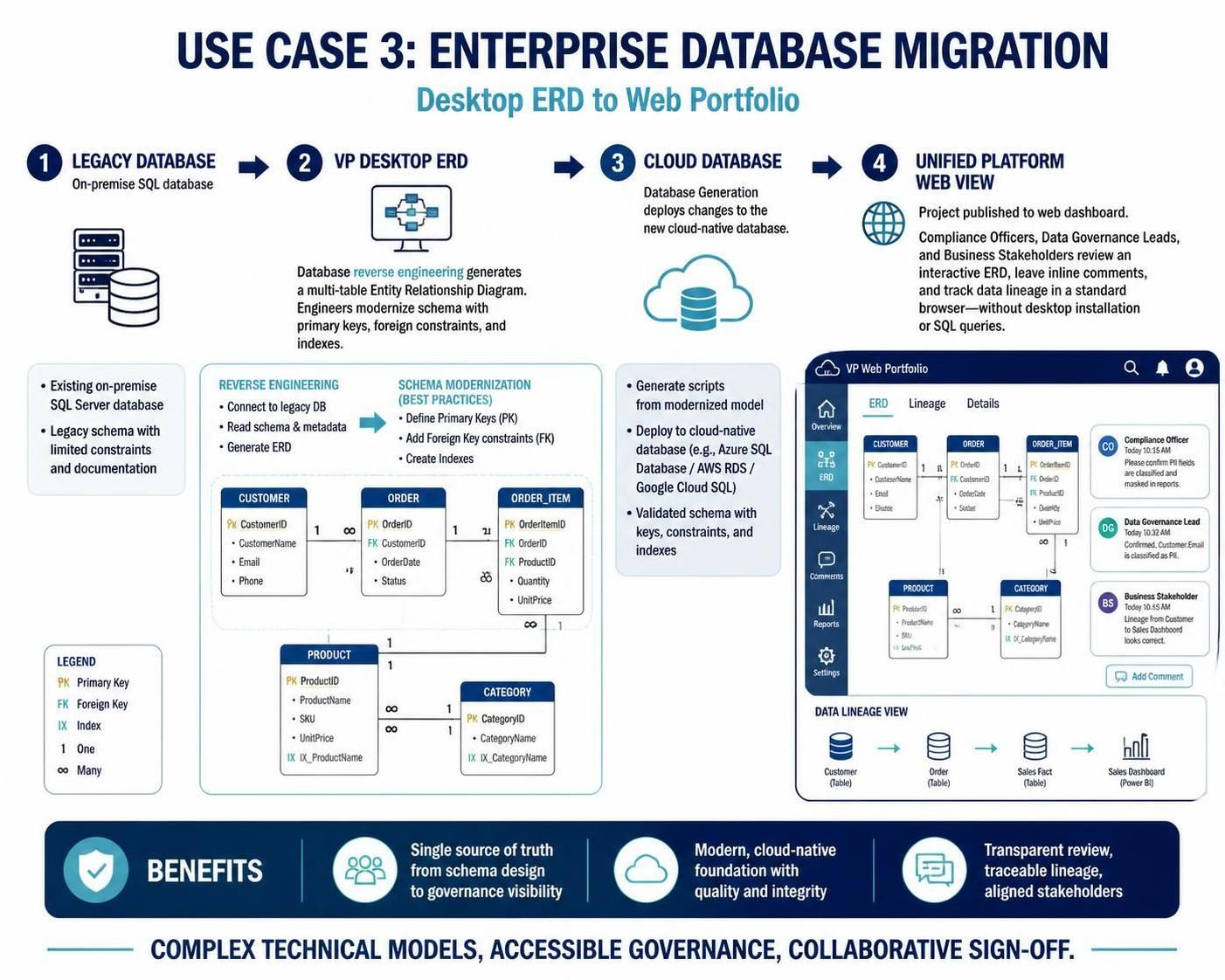
Learn to migrate legacy SQL to cloud-native environments using Visual Paradigm to reverse engineer ERDs, modernize architecture, and streamline governance for non-technical stakeholders.
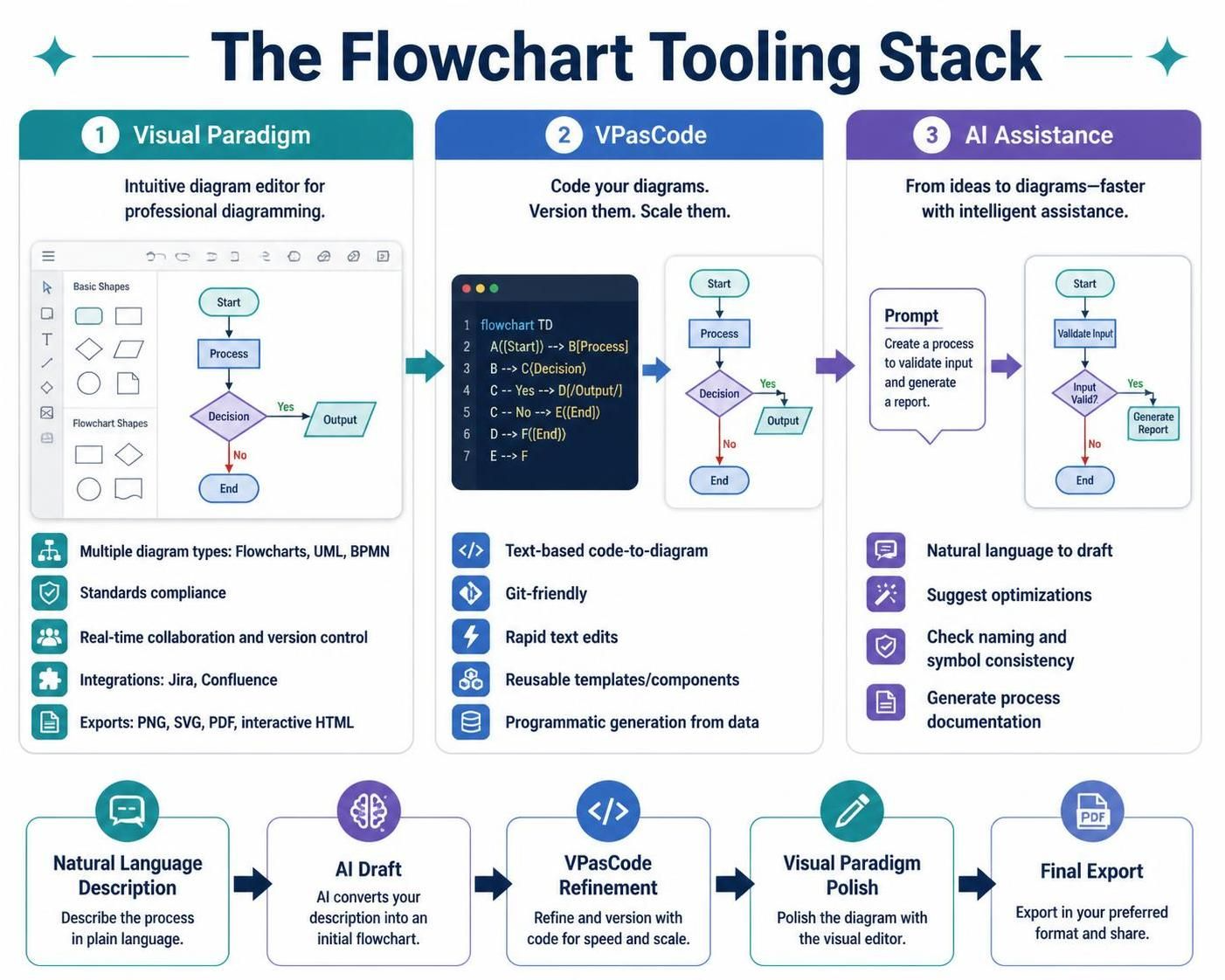
Discover how to streamline process diagrams using Visual Paradigm, VPasCode, and AI orchestration for BPMN, UML, and enterprise-grade compliance.
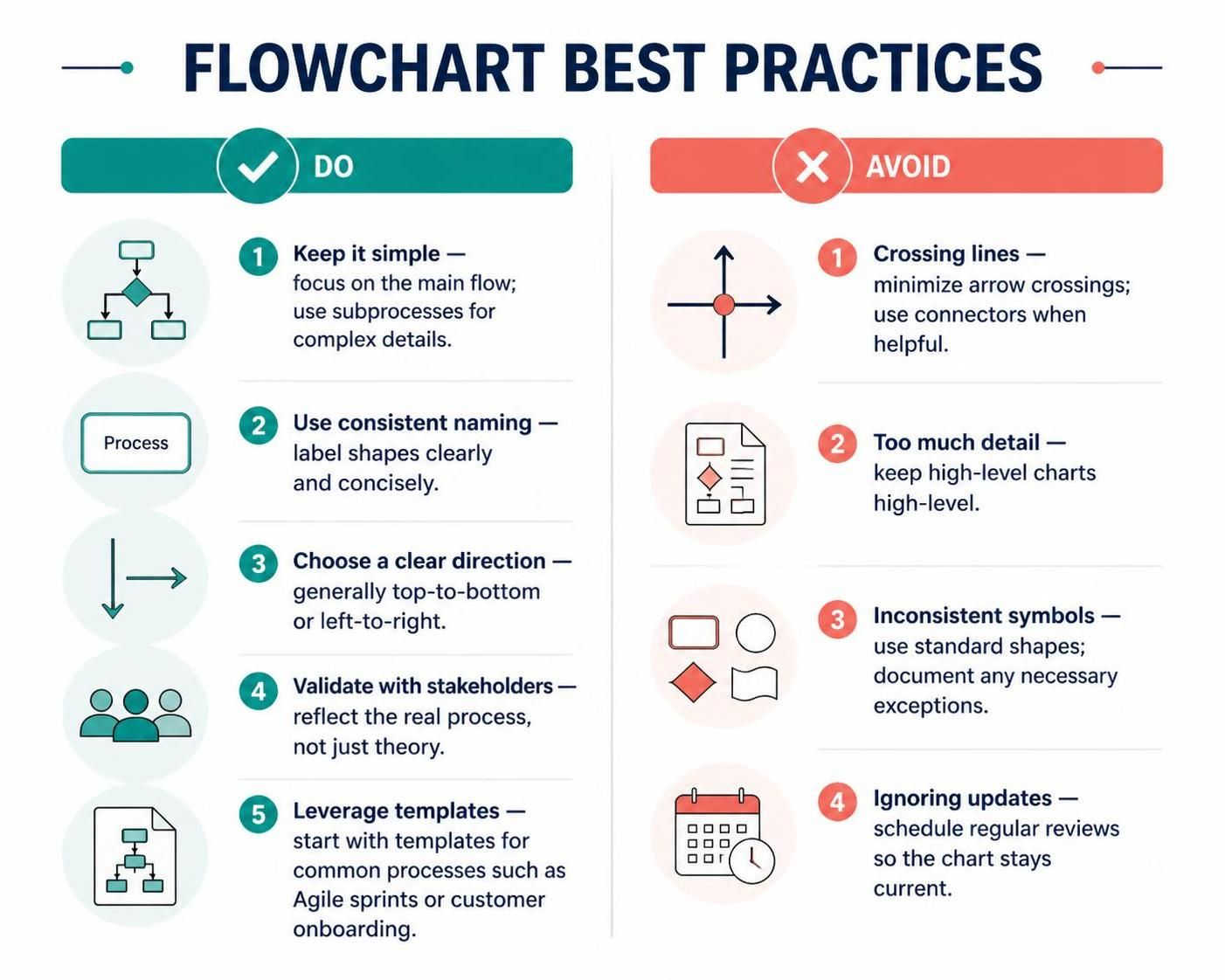
Master flowchart best practices with VPasCode to create clear system models. Learn abstraction strategies and standardization techniques that eliminate clutter and enhance stakeholder communication.
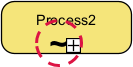
Discover how the BPMN Adhoc Marker (~) suspends rigid sequence rules to grant human actors autonomy in defining dynamic task execution order within sub-processes.
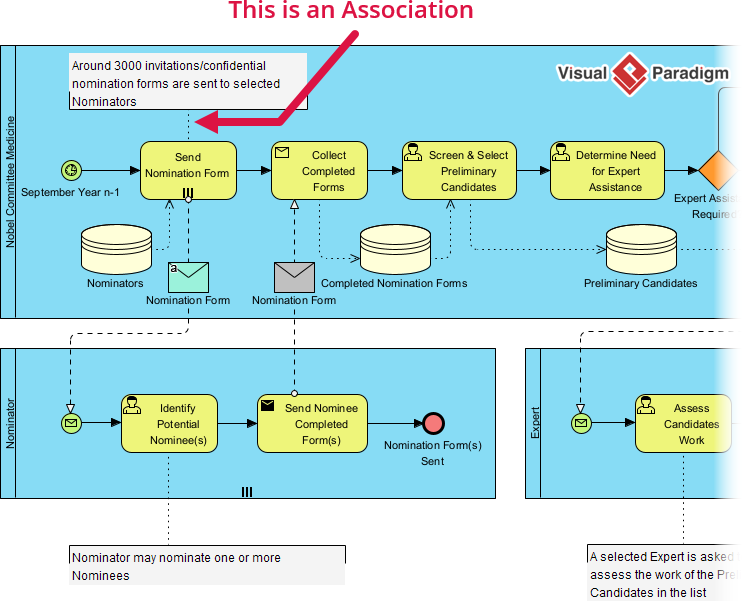
Learn how to use BPMN Associations in Visual Paradigm to enrich process models with annotations and artifacts without disrupting workflow logic.