
Entering a new market is a high-stakes endeavor. For business expansion managers, the margin for error is slim. Success depends on more than just a great product; it relies on understanding the environment in which that product will live. One of the most effective frameworks for this understanding is the PEST analysis. This tool allows leaders to scan the external macro-environmental factors that could influence business operations.
When planning growth, intuition is not enough. You need data-driven insights. This guide provides a structured approach to conducting a PEST analysis. It focuses on Political, Economic, Social, and Technological factors. The goal is to equip expansion managers with the clarity needed to make informed decisions without relying on guesswork.
🔍 Understanding the PEST Framework
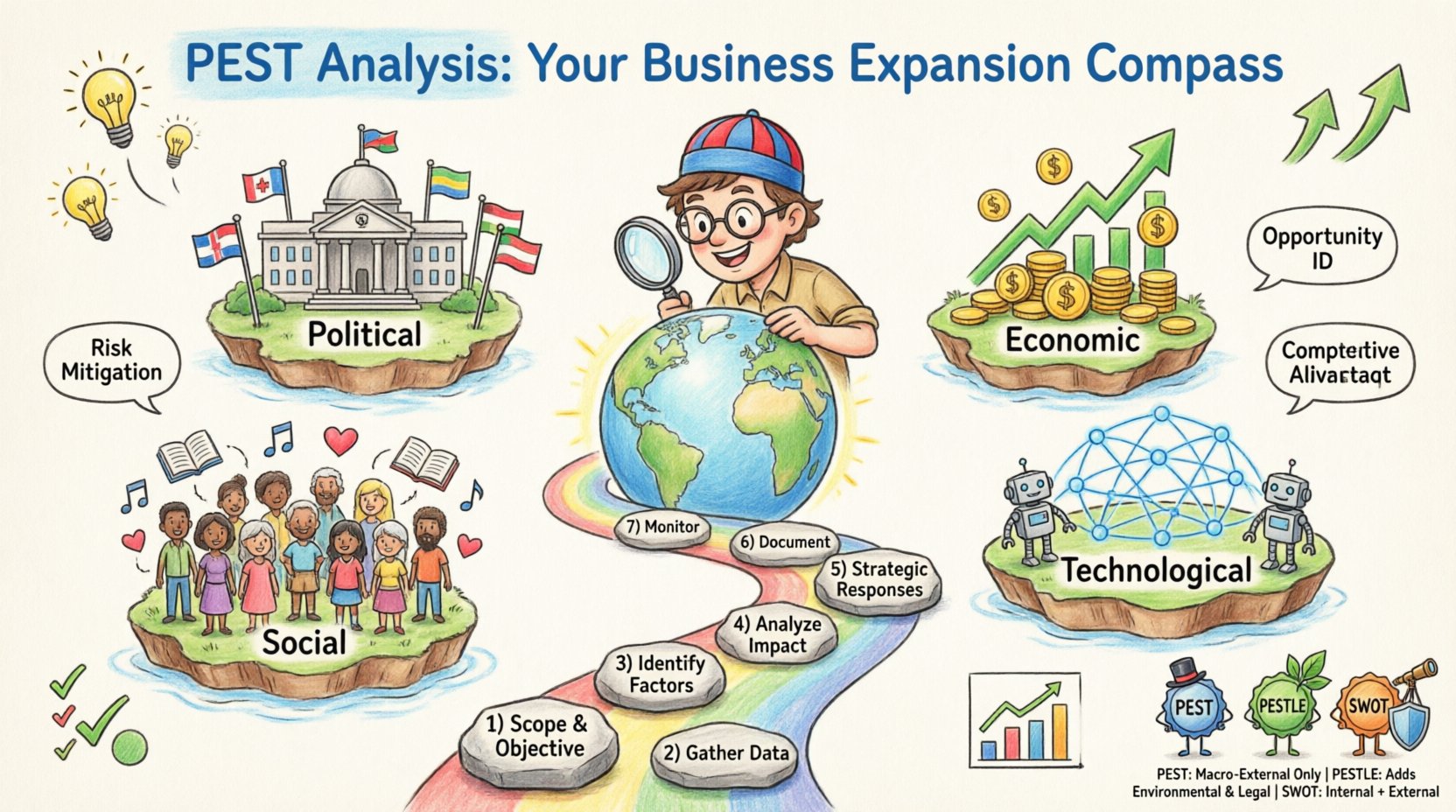
PEST is an acronym that stands for Political, Economic, Social, and Technological. It is a strategic tool used to identify external factors that affect an organization. Unlike internal audits, which look at resources and capabilities, PEST looks outward. It helps answer questions about the landscape you are entering.
For expansion managers, this framework is critical. It shifts the focus from internal metrics to external realities. By categorizing these factors, you create a structured view of the risks and opportunities ahead. Here is a breakdown of what each component entails:
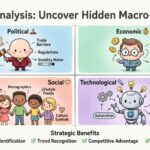
- Political: Government actions, trade regulations, tax policies, and political stability.
- Economic: Economic growth rates, interest rates, exchange rates, and inflation.
- Social: Cultural aspects, population growth rates, age distribution, and health consciousness.
- Technological: R&D activity, automation, technological incentives, and rate of technological change.
Using this structure ensures that no major external area is overlooked during the planning phase.
📈 Why This Matters for Expansion Managers
Expansion is not a one-size-fits-all activity. A strategy that works in one region may fail in another due to contextual differences. The PEST analysis serves as an environmental scan. It helps identify barriers to entry and potential bottlenecks before capital is deployed.
Key Benefits of Implementation
- Risk Mitigation: Identifying regulatory hurdles early prevents costly compliance issues later.
- Opportunity Identification: Spotting favorable economic trends can accelerate growth.
- Strategic Alignment: Ensures your expansion goals match the external reality.
- Competitive Advantage: Understanding social shifts allows for better product positioning.
Without this analysis, expansion teams often rely on assumptions. Assumptions lead to surprises. Surprises lead to budget overruns and timeline delays. A thorough PEST analysis reduces uncertainty.
🛠️ Step-by-Step Implementation Guide
Conducting a PEST analysis requires discipline. It is not a quick exercise. It involves gathering data, analyzing trends, and interpreting the implications. Follow this sequence to ensure a robust output.
Step 1: Define the Scope and Objective
Before gathering data, clarify the purpose. Are you analyzing a specific country? A new product line? A specific demographic? A broad scope can lead to vague results. Narrowing the focus allows for deeper insights.
- Identify the target market region.
- Define the timeline for the analysis.
- Set the budget for research.
- Identify key stakeholders who will use the findings.
Step 2: Gather Data and Information
Data collection is the foundation of accurate analysis. You need credible sources. Avoid anecdotal evidence. Look for reports from government bodies, industry associations, and reputable financial institutions.
- Political: Review trade agreements, election cycles, and legislative proposals.
- Economic: Analyze GDP growth, inflation reports, and currency stability.
- Social: Study census data, lifestyle trends, and consumer sentiment surveys.
- Technological: Assess infrastructure quality, patent filings, and tech adoption rates.
Step 3: Identify Key Factors
Once data is collected, extract the relevant factors. Not every data point matters. Focus on trends that have a direct impact on your business model. For example, a change in tax law might be critical, while a minor cultural nuance might be less relevant.
- List potential factors for each category.
- Filter out noise and irrelevant information.
- Ensure factors are specific to the target market.
Step 4: Analyze Impact and Probability
Now, assess the weight of each factor. How likely is it to happen? How severe will the impact be? This step helps in prioritization.
| Factor | Probability | Impact | Priority |
|---|---|---|---|
| Regulatory Change | High | High | Critical |
| Currency Fluctuation | Medium | Medium | High |
| Demographic Shift | High | Low | Medium |
Use this matrix to decide which factors require immediate action plans.
Step 5: Develop Strategic Responses
Analysis is useless without action. Based on the findings, develop strategies to address risks and capitalize on opportunities. This might involve changing pricing models, adjusting supply chains, or modifying marketing messages.
- For high-risk political factors: Develop contingency plans.
- For high-impact economic factors: Hedge currency exposure.
- For social trends: Adapt product features to local preferences.
- For technological shifts: Invest in local infrastructure partnerships.
Step 6: Document and Communicate
Create a formal report. This document becomes the reference point for decision-makers. Ensure it is clear, concise, and visually accessible. Share it with relevant departments to ensure alignment.
Step 7: Monitor and Review
The external environment is dynamic. A PEST analysis is not a one-time task. It requires regular updates. Set a schedule to review the factors annually or whenever a significant market event occurs.
🌍 Deep Dive into Each Category
To ensure a comprehensive analysis, each pillar must be examined in detail. Below is a closer look at what to consider within each section.
1. Political Factors 🏛️
Government influence is often the most direct external force. Political stability determines the safety of investment. Regulatory frameworks dictate how business is conducted.
- Trade Regulations: Tariffs, quotas, and import/export restrictions.
- Political Stability: Risk of civil unrest, regime change, or policy inconsistency.
- Tax Policy: Corporate tax rates, VAT structures, and incentives for foreign investment.
- Labor Laws: Minimum wage requirements, union strength, and firing regulations.
2. Economic Factors 💰
Economic conditions determine purchasing power and cost structures. Even a stable political environment can be undermined by economic instability.
- Exchange Rates: Volatility affects profit margins when repatriating earnings.
- Inflation Rates: High inflation increases operational costs and consumer prices.
- Interest Rates: Impacts the cost of borrowing for expansion projects.
- GDP Growth: Indicates the overall health and potential market size.
3. Social Factors 👥
Social trends shape consumer behavior. Understanding the culture of the target market is essential for product-market fit.
- Demographics: Age distribution, population growth, and urbanization rates.
- Cultural Norms: Language, religious beliefs, and social etiquette.
- Lifestyle Trends: Health consciousness, work-life balance preferences, and digital adoption.
- Education Levels: Affects workforce quality and consumer literacy.
4. Technological Factors 💻
Technology drives efficiency and innovation. It can disrupt markets or create new channels for distribution.
- Infrastructure: Internet connectivity, logistics networks, and energy reliability.
- Automation: Availability of automated solutions to reduce labor costs.
- R&D Activity: The pace of innovation in the specific sector.
- Intellectual Property: Laws protecting patents and trademarks.
⚠️ Common Mistakes to Avoid
Even experienced managers can stumble when conducting this analysis. Being aware of common pitfalls helps maintain the integrity of the process.
Outdated Data
Using reports from years ago is a critical error. Markets change rapidly. Always verify the date of your sources. Aim for data from the last 12 months.
Ignoring Local Context
A global trend does not always apply locally. A social shift in one country might not exist in another. Always localize your analysis.
Analysis Paralysis
Gathering too much data can stall decision-making. Focus on the factors that directly impact the business. Do not get lost in the noise.
Internal Bias
Do not let internal assumptions dictate the findings. Be objective. If the data contradicts your expectations, trust the data.
⚖️ PEST vs. PESTLE vs. SWOT
There are similar frameworks in the strategic planning toolkit. It is important to know how they differ.
| Framework | Focus | Best Used For |
|---|---|---|
| PEST | External Macro Factors | Market Entry Planning |
| PESTLE | PEST + Legal + Environmental | Heavily Regulated Industries |
| SWOT | Internal + External | Overall Strategic Health |
PEST is often the starting point. It sets the stage for deeper internal analysis using SWOT. PESTLE adds depth for industries where law and environment are paramount.
💡 Real-World Application Example
Consider a company planning to expand into a Southeast Asian market. The expansion manager conducts a PEST analysis.
- Political: They find a new trade agreement reduces tariffs by 15%. This is a major opportunity.
- Economic: Inflation is rising. They decide to adjust pricing strategies to maintain margins.
- Social: Mobile usage is high. They prioritize a mobile-first customer interface.
- Technological: Internet infrastructure is improving. They plan a cloud-based distribution model.
This analysis directly informed their go-to-market strategy. They avoided a desktop-heavy site and secured better pricing due to the trade agreement.
📝 Best Practices for Long-Term Success
To maintain the value of this analysis over time, adopt these habits.
- Regular Updates: Schedule quarterly reviews of the PEST factors.
- Stakeholder Input: Involve local teams who understand the nuances.
- Integration: Link PEST findings directly to the business plan.
- Scenario Planning: Create “what-if” scenarios based on potential changes.
By treating the PEST analysis as a living document, you ensure that your expansion strategy remains resilient. The goal is not just to enter a market, but to thrive within it.
Related posts:
 Definitive Overview of PEST Analysis: The Essential Framework for Strategic Market Entry
 Q&A on PEST Analysis: Expert Answers to Your Most Pressing Market Entry Questions
 Tutorial PEST Analysis: From Raw Data to Actionable Strategy for Non-Analysts
 Deep Dive PEST Analysis: Uncovering Hidden Macro-Forces That Kill Competitors Before You Launch